
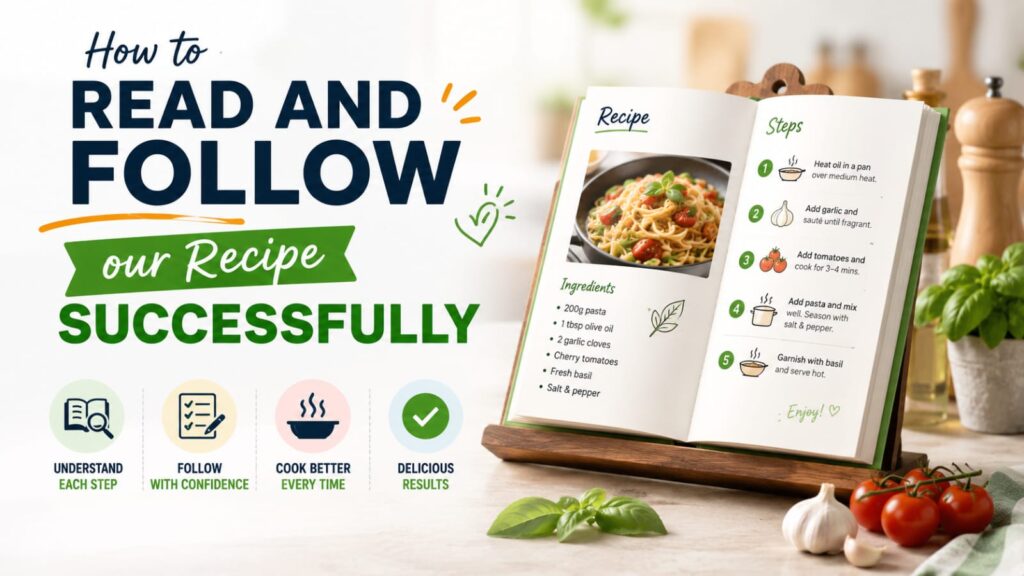
Have you ever followed a recipe exactly and still ended up with disappointing results?
Maybe your cake didn’t rise, your pasta became mushy, or your curry lacked flavor. In many cases, the problem isn’t the recipe itself—it’s how the recipe was read and followed.
Most experienced cooks understand that cooking begins long before ingredients reach the pan. Successful cooking starts with understanding the recipe, preparing properly, and knowing what each instruction means.
For beginners, recipes can sometimes feel overwhelming. There are unfamiliar cooking terms, long ingredient lists, preparation steps, and timing instructions that can seem confusing.
The good news is that learning how to read and follow recipes correctly is a skill anyone can develop. Once mastered, cooking becomes easier, more enjoyable, and far more successful.
In this guide, you’ll learn how to approach recipes like a confident home cook and avoid many of the common mistakes beginners make.
Why Following a Recipe Correctly Matters
A recipe is more than just a list of ingredients and instructions.
Think of it as a roadmap that guides you from raw ingredients to a finished dish.
When important details are missed, several problems can occur:
- Ingredients may cook unevenly.
- Flavors may become unbalanced.
- Food may burn or remain undercooked.
- Texture may be affected.
- The final dish may not resemble the intended result.
Understanding recipes properly significantly improves your chances of success.
Step 1: Read the Entire Recipe Before Starting
One of the most common mistakes beginners make is reading recipes one step at a time while cooking.
This often leads to surprises halfway through the process.
For example:
You may suddenly realize that:
- An ingredient needed to be marinated.
- Dough required resting time.
- Butter should have been softened.
- The oven should have been preheated earlier.
What to Do Instead
Read the entire recipe from beginning to end before touching any ingredients.
This helps you:
- Understand the process.
- Identify special requirements.
- Prepare ingredients in advance.
- Avoid unnecessary stress.
Professional cooks always review recipes before beginning.
Step 2: Check Whether You Have All Ingredients
Carefully compare the ingredient list with what you have available.
Pay attention to:
- Quantities
- Freshness
- Specific ingredient types
For example:
There is a difference between:
- Baking powder and baking soda
- Heavy cream and milk
- Fresh herbs and dried herbs
Small substitutions can significantly affect results.
Step 3: Understand Ingredient Preparation
Many beginners overlook important details in ingredient descriptions.
Consider these examples:
- 1 cup chopped onions
- 1 cup onions, chopped
Although similar, they can produce different measurements.
Pay Attention To
- Chopped
- Diced
- Sliced
- Minced
- Grated
- Crushed
Each preparation method affects cooking time and texture.
Step 4: Understand Cooking Terms
Recipes often contain terms that beginners may not fully understand.
Learning these terms improves confidence and results.
Sauté
Cooking food quickly in a small amount of oil over medium-high heat.
Simmer
Cooking liquid gently with small bubbles.
Boil
Cooking liquid at a high temperature with large bubbles.
Fold
Gently combining ingredients without removing air.
Whisk
Mixing ingredients vigorously to create a smooth texture.
Marinate
Allowing ingredients to sit in seasonings before cooking.
Understanding these terms helps ensure you follow instructions correctly.
Step 5: Prepare Ingredients Before Cooking
Professional chefs use a technique called “mise en place.”
This simply means preparing everything before cooking begins.
What This Includes
- Washing vegetables
- Measuring ingredients
- Chopping vegetables
- Organizing spices
- Preparing cooking tools
Why It Helps
When cooking starts, everything is ready.
This prevents:
- Burned ingredients
- Forgotten steps
- Last-minute panic
Preparation creates a smoother cooking experience.
Step 6: Understand Timing Instructions
Cooking is often about timing.
Many beginners focus only on ingredients while ignoring timing recommendations.
Examples
“Cook onions for 8–10 minutes.”
“Rest dough for 30 minutes.”
“Bake for 25–30 minutes.”
These instructions are important because they affect:
- Texture
- Flavor
- Moisture
- Appearance
Avoid rushing through timing steps.
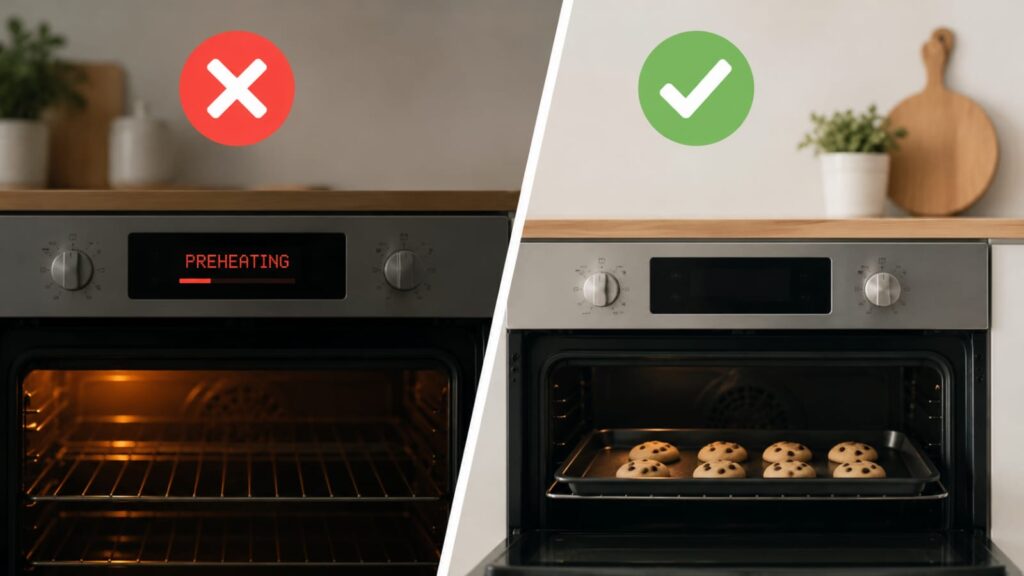
Step 7: Preheat Equipment When Required
Recipes frequently instruct you to preheat:
- Ovens
- Air fryers
- Grills
- Pans
Skipping this step can negatively affect cooking results.
Why Preheating Matters
Food begins cooking immediately at the intended temperature.
This helps achieve:
- Proper texture
- Better browning
- Consistent cooking
Always preheat equipment before use unless the recipe states otherwise.
Step 8: Follow Measurements Carefully
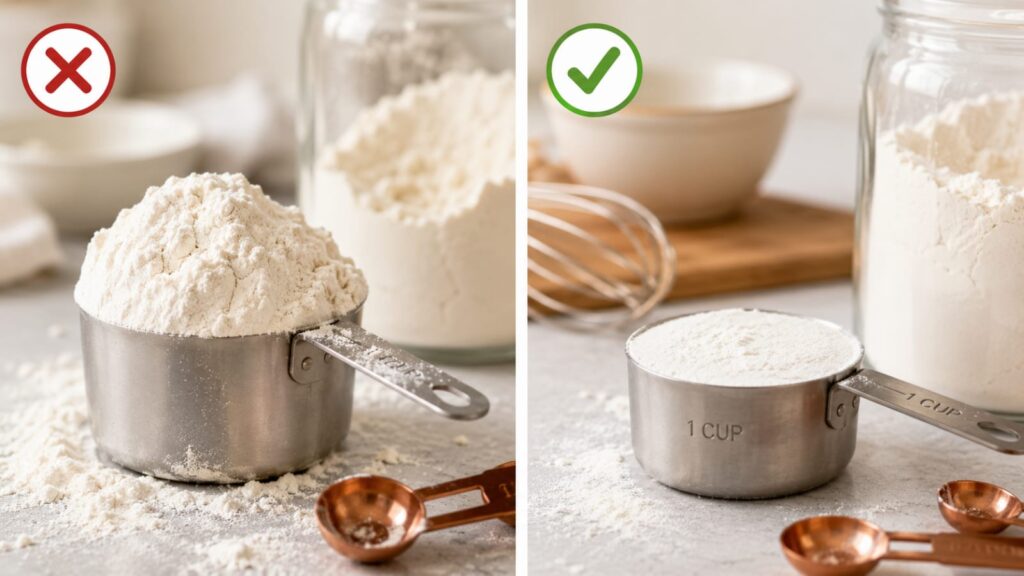
Unlike general cooking, baking especially depends on precise measurements.
Common Beginner Mistakes
- Estimating quantities
- Using incorrect measuring tools
- Adding extra ingredients without understanding their effect
Best Practice
Measure ingredients accurately and follow the recipe closely, especially when baking.
Once you gain experience, you can begin making adjustments.
Step 9: Don’t Skip Important Steps
Sometimes beginners assume certain steps aren’t necessary.
Unfortunately, many small steps play critical roles.
Commonly Skipped Steps
- Sifting flour
- Resting dough
- Marinating ingredients
- Cooling baked goods
- Preheating ovens
Recipes include these steps for a reason.
Skipping them may affect the final outcome.
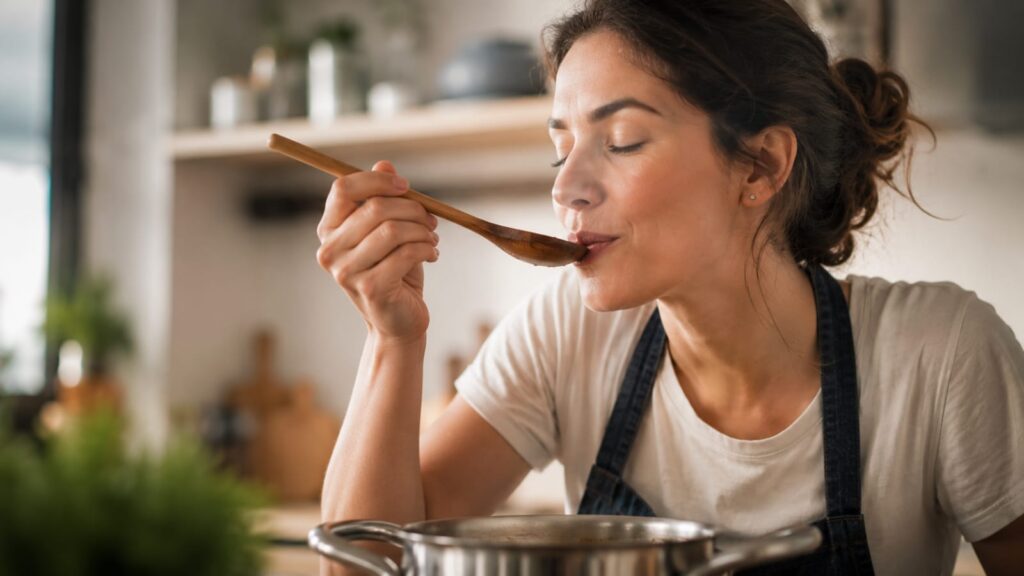
Step 10: Taste Along the Way
One advantage of cooking compared to baking is the ability to adjust flavors during preparation.
Check For
- Salt
- Spice levels
- Sweetness
- Acidity
Tasting allows you to correct problems before serving.
However, always taste safely and avoid tasting raw ingredients that may pose health risks.
Step 11: Understand That Every Kitchen Is Different
Two people can follow the same recipe and achieve slightly different results.
Why?
Because kitchens differ.
Factors That Affect Results
- Stove strength
- Oven accuracy
- Humidity
- Ingredient quality
- Cookware type
Recipes provide guidance, but experience teaches you how your kitchen behaves.
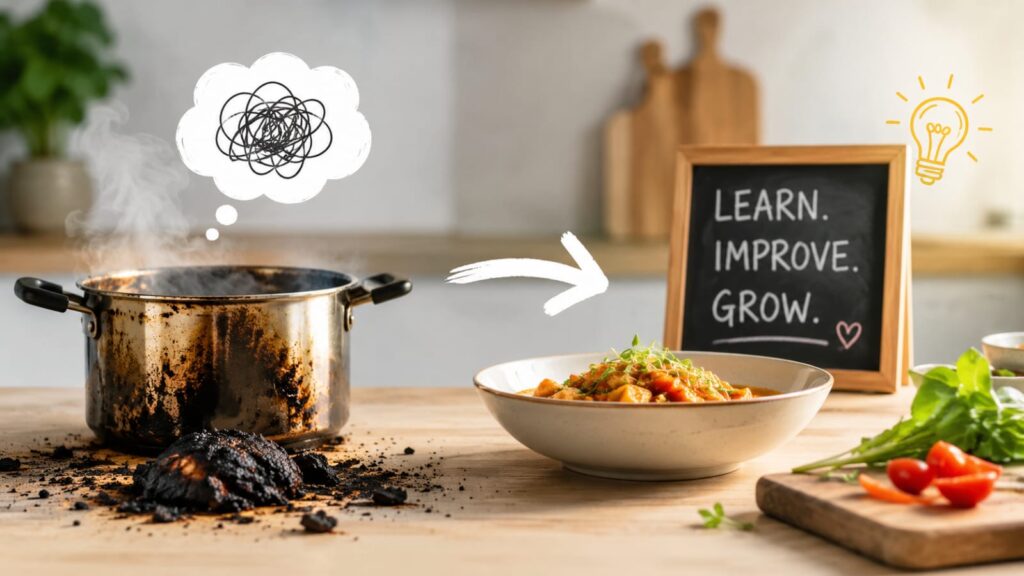
Step 12: Learn From Mistakes
Even experienced cooks occasionally make mistakes.
A failed recipe isn’t wasted if you learn from it.
Ask yourself:
- Did I miss a step?
- Did I measure correctly?
- Was the cooking temperature accurate?
- Did I substitute ingredients?
Every cooking experience helps build valuable skills.
Common Recipe Mistakes Beginners Make
Here are some mistakes worth avoiding:
Not Reading the Entire Recipe
This often leads to missed preparation steps.
Starting Without Preparation
Unprepared ingredients create stress and mistakes.
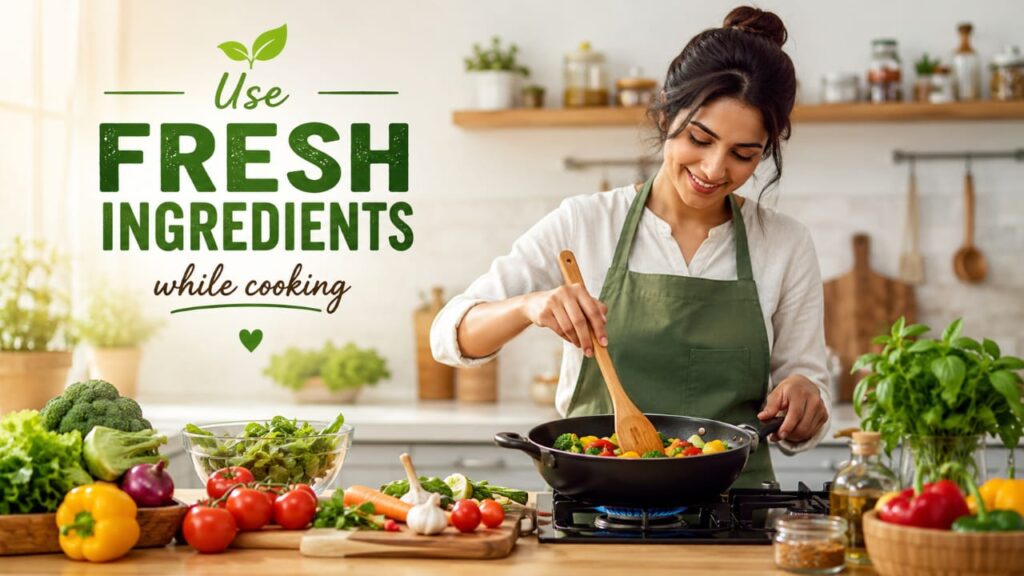
Ignoring Ingredient Quality
Fresh ingredients usually produce better results.
Cooking at the Wrong Temperature
Heat control is one of the most important cooking skills.
Rushing the Process
Patience often produces better food.
Tips for Building Recipe Confidence
If you’re new to cooking, start with simple recipes.
Focus on:
- Basic meals
- Familiar ingredients
- Easy techniques
As confidence grows, gradually try more complex dishes.
Keep notes about:
- Adjustments you made
- What worked well
- What you’d change next time
Over time, recipes will become easier to understand and follow.
Signs You’re Becoming a Better Cook
You’ll notice improvement when:
- You understand cooking terms instantly.
- Preparation feels natural.
- You rarely forget ingredients.
- Timing becomes easier.
- Recipes feel less intimidating.
- You can identify and fix small mistakes.
These are signs that your kitchen confidence is growing.

Final Thoughts
Learning how to read and follow recipes properly is one of the most valuable skills any home cook can develop. It reduces mistakes, increases confidence, and dramatically improves cooking results.
Remember that recipes are not just instructions—they are tools designed to guide you toward success. By reading recipes carefully, preparing ingredients in advance, understanding cooking terminology, and respecting timing and measurements, you’ll enjoy more successful meals and a more enjoyable cooking experience.
Whether you’re making a simple breakfast, a family dinner, or a special dessert, taking a few extra minutes to understand a recipe before starting can make all the difference.
The more recipes you follow, the more comfortable you’ll become. Eventually, you’ll not only follow recipes successfully—you’ll begin adapting them confidently and creating dishes that reflect your own cooking style.