
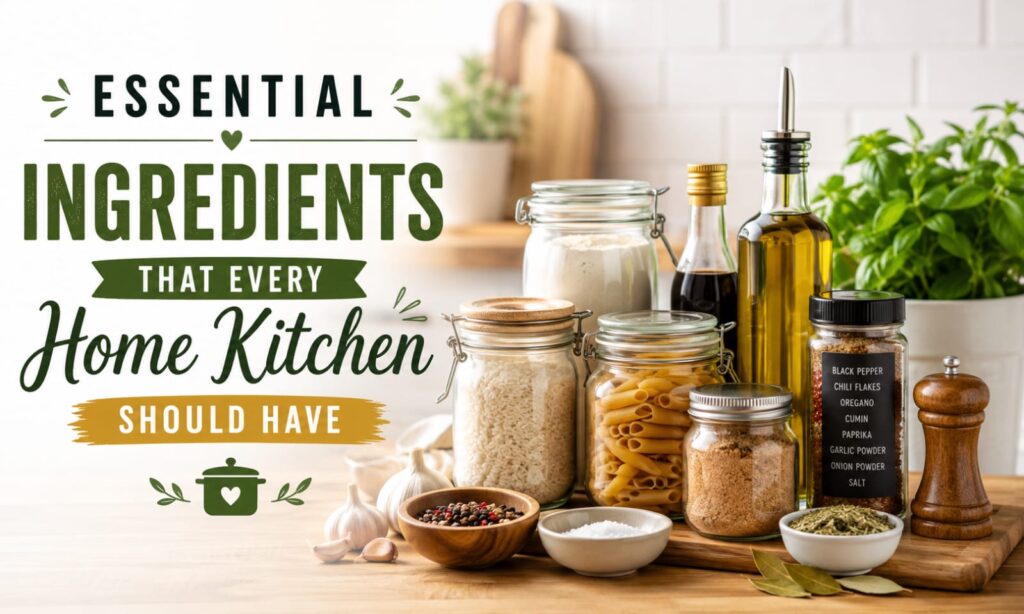
One of the biggest challenges home cooks face is deciding what to cook when the refrigerator seems empty. Often, the problem isn’t a lack of food—it’s a lack of the right basic ingredients that make everyday cooking easier.
A well-stocked kitchen doesn’t require dozens of expensive products or specialty ingredients. Instead, it relies on a handful of versatile staples that can be used across multiple recipes and cuisines.
Whether you’re preparing a quick breakfast, a simple lunch, a comforting dinner, or an unexpected meal for guests, having these essential ingredients on hand can save time, reduce stress, and make cooking much more enjoyable.
In this guide, we’ll explore twelve kitchen essentials that every home cook should keep stocked and explain why they deserve a permanent place in your pantry.
Why a Well-Stocked Kitchen Matters
Many people spend unnecessary money on food delivery or last-minute grocery trips because they don’t keep basic ingredients available.
A stocked kitchen helps you:
- Prepare meals quickly.
- Save money on groceries.
- Reduce food waste.
- Cook healthier meals at home.
- Feel more confident in the kitchen.
- Handle unexpected guests with ease.
Building a pantry takes time, but once established, cooking becomes significantly easier.
1. Rice
Rice is one of the most versatile ingredients in the world.
It serves as the foundation for countless dishes and pairs beautifully with vegetables, curries, lentils, meats, and stir-fries.
Why You Should Always Have It
Rice is:
- Affordable
- Easy to store
- Long-lasting
- Quick to prepare
Common Uses
- Vegetable pulao
- Fried rice
- Rice bowls
- Curry meals
- Comfort food dishes
Store rice in airtight containers to maintain freshness.
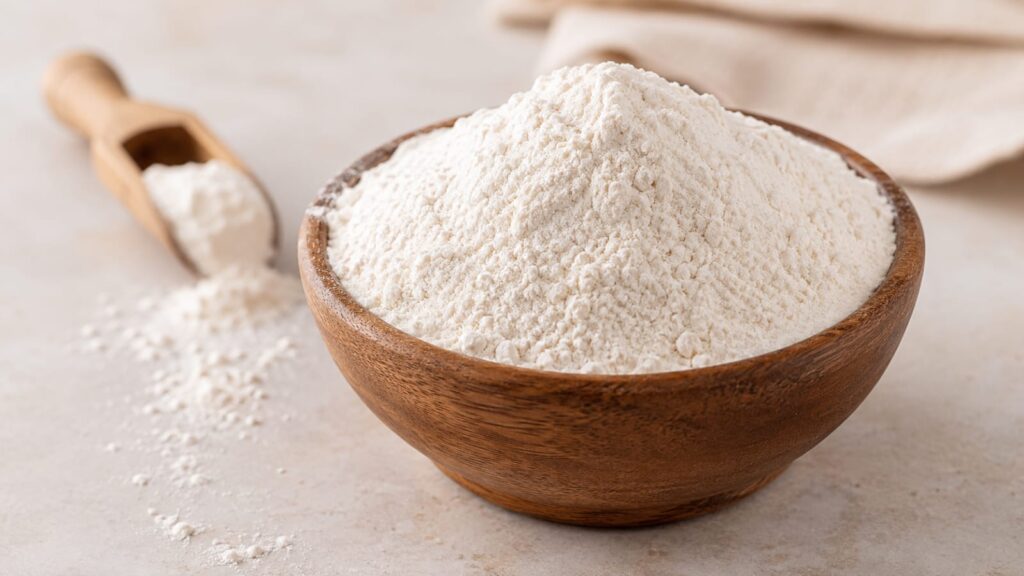
2. Flour (Atta or All-Purpose Flour)
Flour is one of the most important pantry ingredients.
Depending on your cooking style, you may keep whole wheat flour, all-purpose flour, or both.
Why It’s Essential
Flour can be used for:
- Rotis
- Parathas
- Bread
- Cakes
- Cookies
- Thickening sauces
Having flour available ensures you can prepare fresh food whenever needed.
3. Cooking Oil
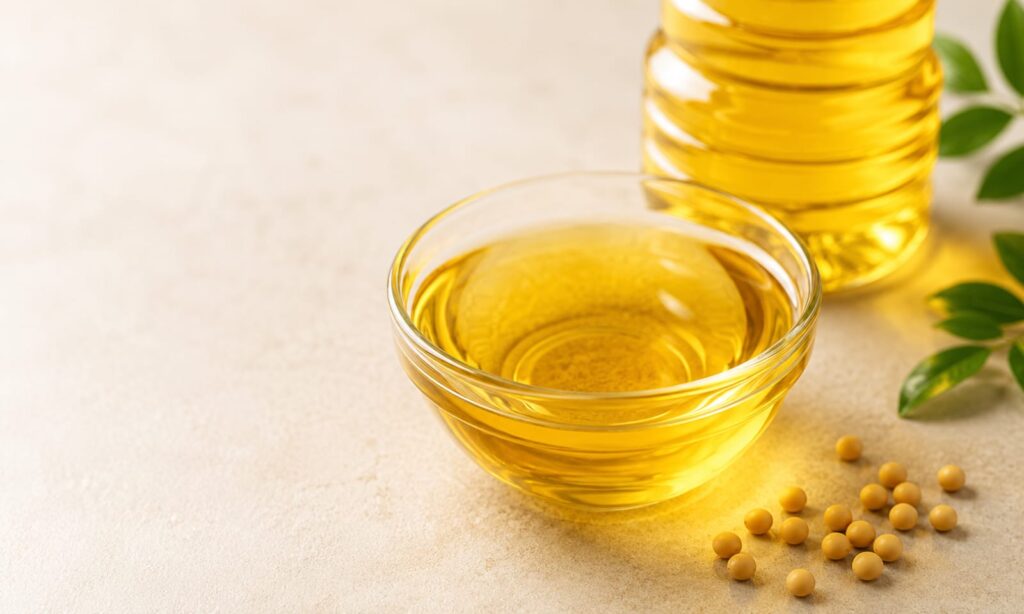
Oil is the foundation of most cooking methods.
Different oils serve different purposes, but every kitchen should have at least one reliable cooking oil.
Good Options
- Mustard oil
- Sunflower oil
- Groundnut oil
- Olive oil
Uses
- Frying
- Sautéing
- Roasting
- Tempering spices
Choose an oil suitable for your cooking preferences.
4. Salt
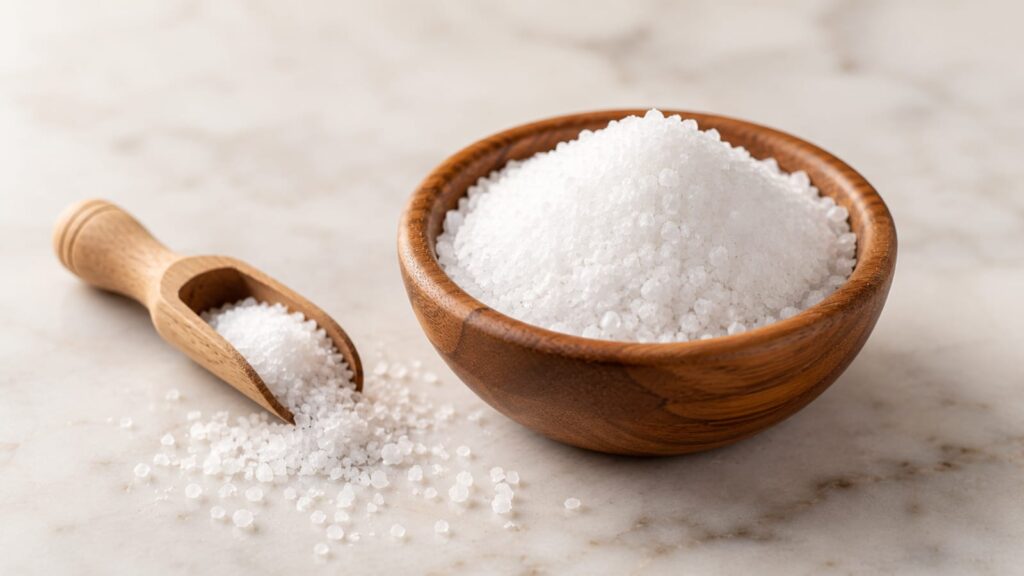
Salt may seem obvious, but it is perhaps the most important ingredient in cooking.
Without proper seasoning, even expensive ingredients can taste bland.
Why It Matters
Salt enhances:
- Flavor
- Aroma
- Texture
- Balance
Learning to use salt correctly is one of the fastest ways to improve your cooking.
5. Sugar
Sugar isn’t only used in desserts.
Many savory recipes also rely on small amounts of sugar to balance flavors.
Common Uses
- Baking
- Tea and coffee
- Sauces
- Desserts
- Marinades
Keep a small supply available for everyday cooking needs.
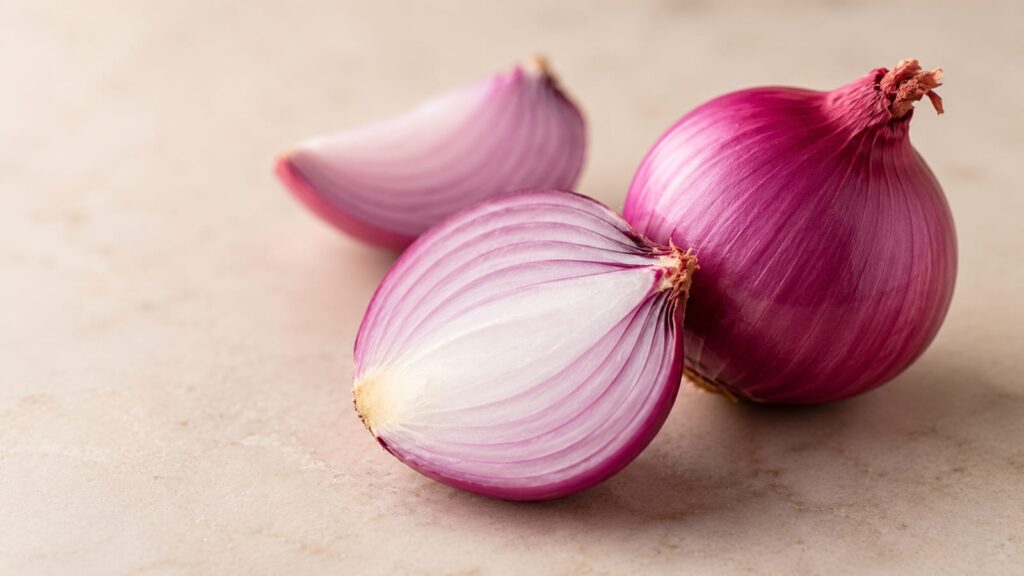
6. Onions
Onions form the base of countless dishes.
Many recipes begin with sautéed onions because they create depth and flavor.
Why They’re Essential
Onions:
- Add sweetness
- Build flavor
- Improve texture
- Work in almost every cuisine
Storage Tip
Store onions in a cool, dry place away from potatoes.
7. Garlic
Garlic can instantly transform a simple dish into something flavorful and aromatic.
Uses
- Curries
- Stir-fries
- Soups
- Pasta
- Marinades
Fresh garlic provides stronger flavor than garlic powder and should always be available.
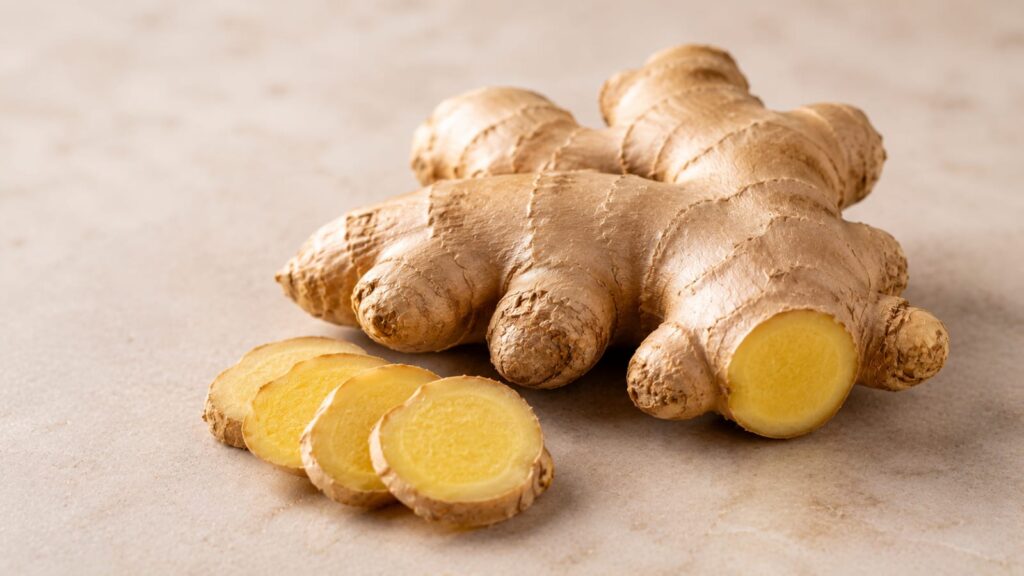
8. Ginger
Ginger is widely used in Indian cooking and many international cuisines.
Benefits
- Adds warmth and freshness.
- Enhances savory dishes.
- Pairs perfectly with garlic.
Common Uses
- Tea
- Curries
- Soups
- Marinades
Store fresh ginger in the refrigerator for longer shelf life.
9. Tomatoes
Tomatoes are another kitchen essential that serve as the foundation of numerous recipes.
Why They’re Important
Tomatoes add:
- Acidity
- Sweetness
- Color
- Richness
Uses
- Gravies
- Sauces
- Soups
- Salads
- Pasta dishes
Fresh tomatoes are ideal, but canned or pureed tomatoes are also useful pantry options.
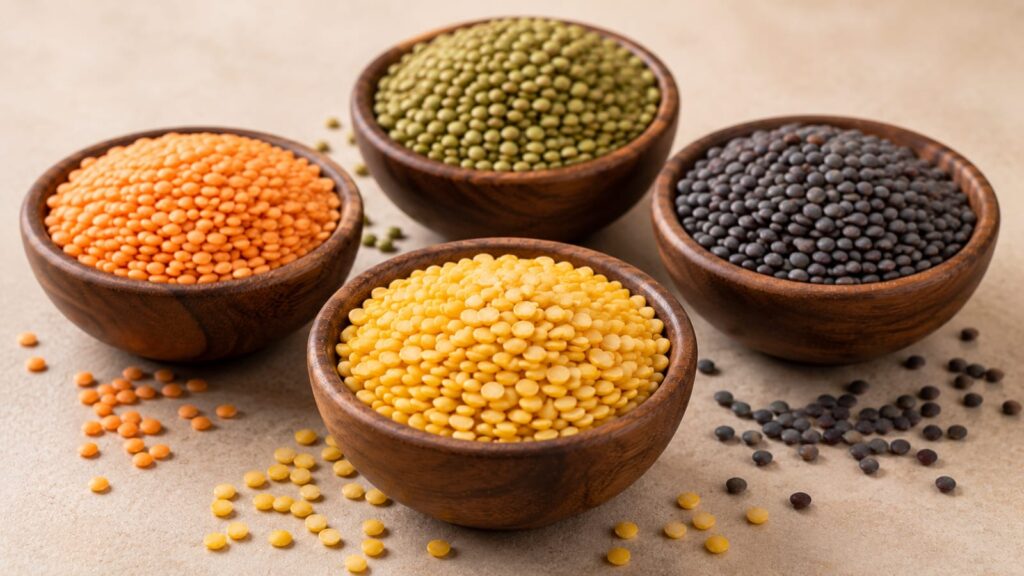
10. Lentils (Dal)
Lentils are nutritious, affordable, and incredibly versatile.
They are a staple ingredient in many households.
Popular Choices
- Moong dal
- Toor dal
- Masoor dal
- Chana dal
Benefits
- High in protein
- Budget-friendly
- Easy to cook
- Long shelf life
Lentils are perfect for healthy everyday meals.
11. Potatoes
Potatoes are among the most versatile vegetables available.
Why Every Kitchen Needs Them
Potatoes can be:
- Boiled
- Roasted
- Mashed
- Fried
- Stuffed
They work well in breakfast dishes, snacks, curries, and side dishes.
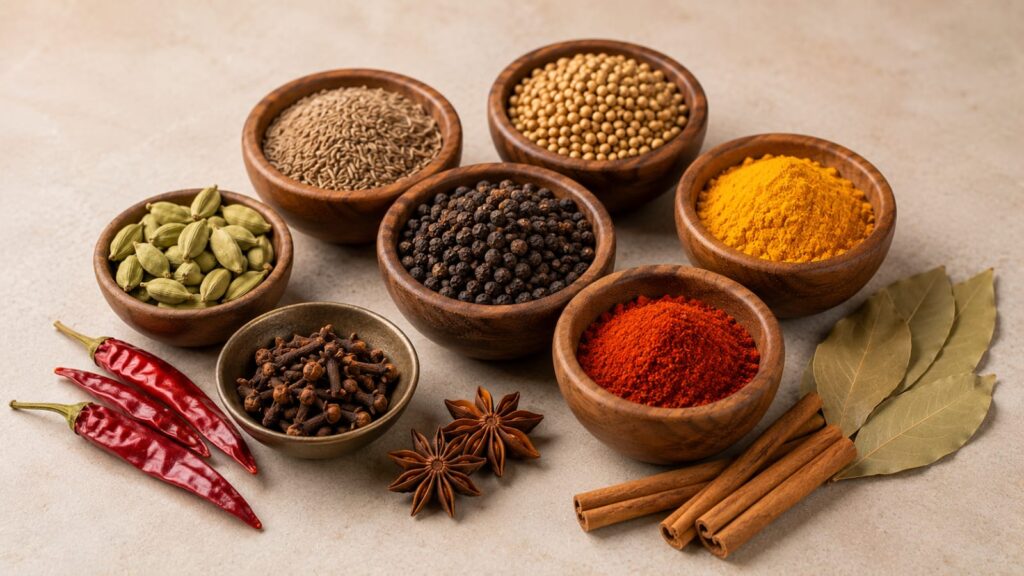
12. Basic Spice Collection
Spices transform ordinary ingredients into delicious meals.
You don’t need dozens of spices to start.
Essential Spices
- Turmeric
- Cumin
- Coriander
- Red chili powder
- Black pepper
These five spices can create countless flavor combinations.
Common Pantry Mistakes to Avoid
Buying Too Much
Only purchase quantities you can realistically use.
Ignoring Expiration Dates
Regularly check ingredients for freshness.
Poor Storage
Use airtight containers whenever possible.
Buying Specialty Ingredients First
Focus on versatile essentials before purchasing niche products.
Final Thoughts
A well-stocked kitchen is one of the secrets to stress-free cooking. When you have essential ingredients available, preparing delicious meals becomes easier, faster, and more enjoyable.
You don’t need a pantry filled with hundreds of ingredients. A carefully chosen collection of staples like rice, flour, spices, lentils, onions, garlic, and tomatoes can help you create countless meals for yourself and your family.
Start small, build gradually, and focus on ingredients you use regularly. Over time, you’ll develop a pantry that supports your cooking style and makes everyday meal preparation far more convenient.
Remember, great cooking often begins long before you turn on the stove—it starts with having the right ingredients ready when inspiration strikes.