Cooking is more than just following a recipe—it’s about understanding the basic techniques that bring ingredients to life. Mastering a few fundamental cooking skills can help you prepare delicious meals with confidence and make your time in the kitchen more enjoyable.
Whether you’re a beginner or looking to sharpen your culinary skills, these seven essential cooking techniques will serve as the foundation of great home cooking.
1. Proper Knife Skills
Every great dish starts with proper ingredient preparation. Learning how to safely and efficiently use a knife can save time and improve the quality of your cooking.
Basic cuts every home cook should know include:
- Chopping
- Slicing
- Dicing
- Mincing
Why It Matters
Uniformly cut ingredients cook evenly, resulting in better texture and flavor.
2. Sautéing
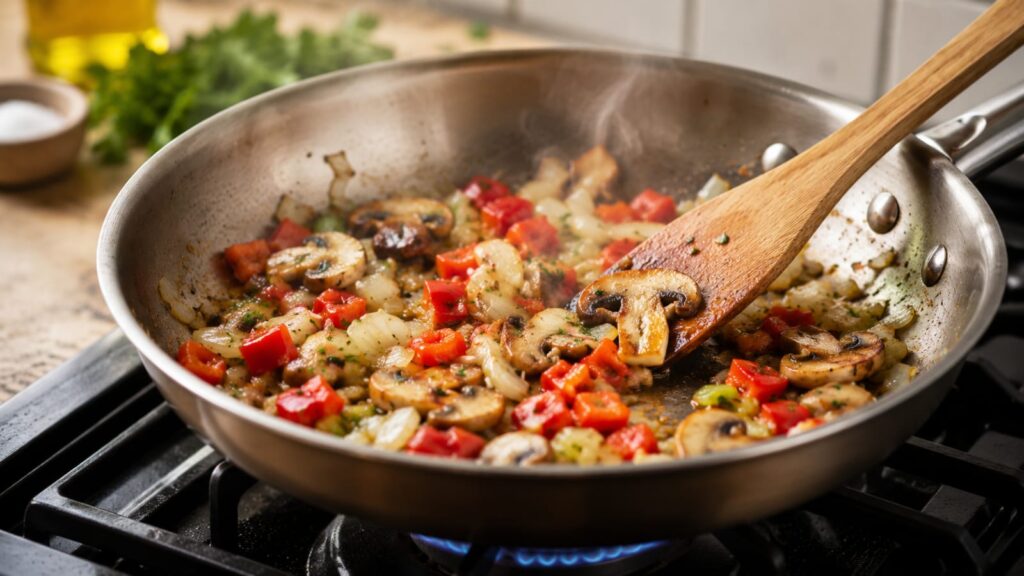
Sautéing involves cooking food quickly in a small amount of oil over medium-high heat. It’s one of the most commonly used cooking techniques for vegetables, chicken, paneer, and seafood.
Tips for Success
- Preheat the pan before adding ingredients.
- Avoid overcrowding the pan.
- Stir occasionally for even cooking.
Why It Matters
Sautéing develops flavor while preserving the texture of ingredients.
3. Boiling and Simmering
Although often grouped together, boiling and simmering serve different purposes.
Boiling
Ideal for:
- Pasta
- Potatoes
- Rice
- Eggs
Simmering
Perfect for:
- Soups
- Curries
- Sauces
- Stews
Why It Matters
Understanding the difference helps prevent overcooked food and improves texture.
4. Roasting
Roasting uses dry heat in an oven to cook food evenly while creating a delicious golden-brown exterior.
Foods that roast beautifully include:
- Vegetables
- Potatoes
- Chicken
- Paneer
Tips for Success
- Preheat the oven.
- Use enough space between ingredients.
- Toss vegetables with oil and seasonings before roasting.
Why It Matters
Roasting enhances natural sweetness and creates deeper flavors.
5. Seasoning Correctly
Seasoning is one of the most important skills in cooking. Even perfectly cooked food can taste bland without proper seasoning.
Common Seasonings
- Salt
- Black pepper
- Herbs
- Spices
- Lemon juice
Tips for Success
Taste your food throughout the cooking process and adjust seasoning gradually.
Why It Matters
Proper seasoning balances flavors and transforms ordinary dishes into memorable meals.
6. Tempering Spices (Tadka)
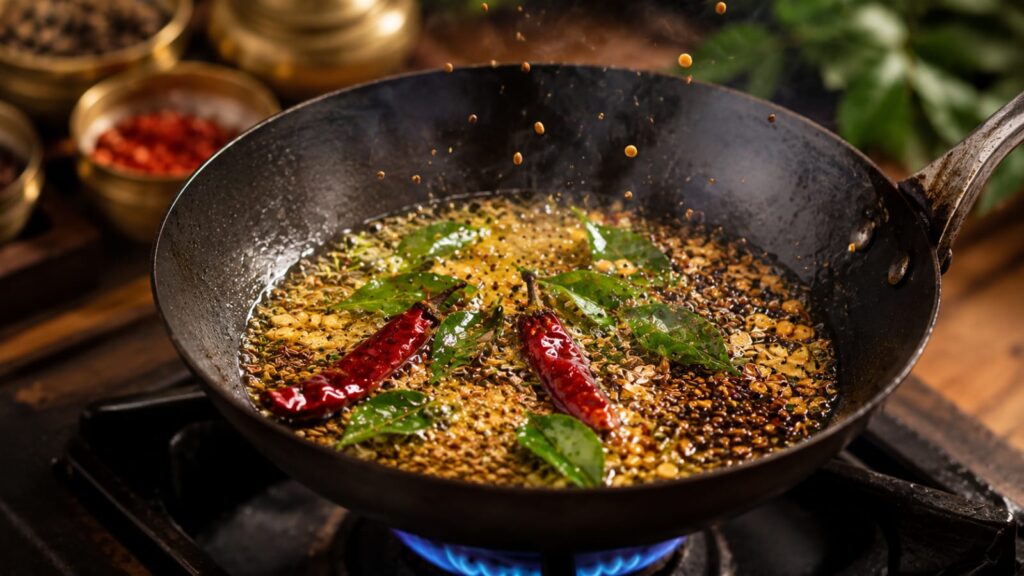
Tempering is a classic Indian cooking technique where spices are briefly cooked in hot oil or ghee before being added to a dish.
Common spices used in tempering include:
- Cumin seeds
- Mustard seeds
- Curry leaves
- Dried red chilies
Why It Matters
Tempering releases the essential oils and aromas of spices, adding depth and richness to food.
7. Tasting While Cooking
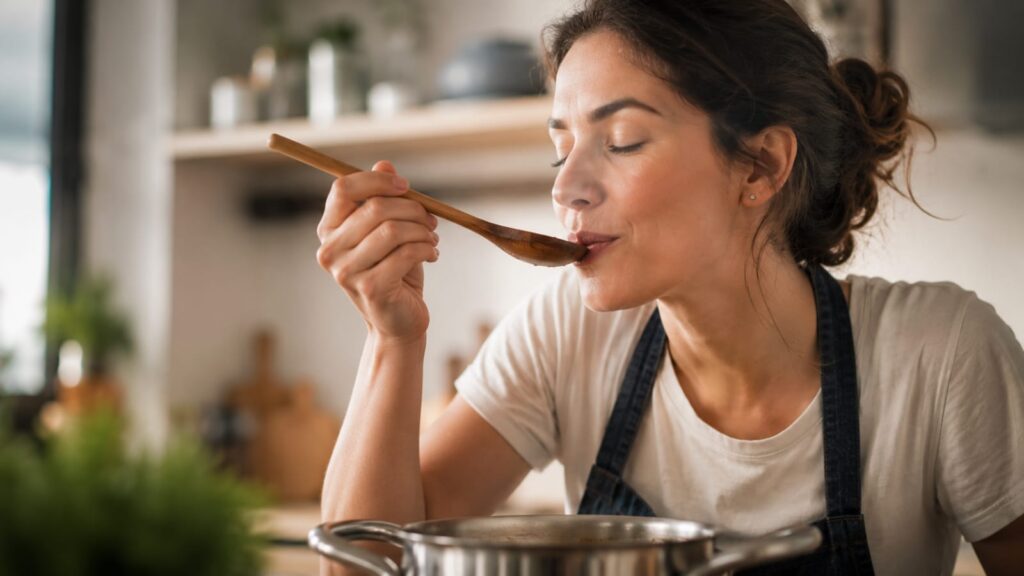
One of the habits that separates experienced cooks from beginners is tasting food during the cooking process.
Benefits of Tasting
- Adjusts seasoning levels.
- Balances flavors.
- Helps identify mistakes early.
- Improves consistency.
Why It Matters
Small adjustments during cooking can dramatically improve the final dish.
Final Thoughts
You don’t need fancy equipment or professional training to become a great home cook. By mastering these seven essential cooking techniques, you’ll build a strong foundation that makes every recipe easier and more enjoyable.
Start with one technique at a time, practice regularly, and don’t be afraid to experiment. Cooking is a skill that improves with experience, and every meal is an opportunity to learn something new.
Happy Cooking!