Even experienced home cooks make mistakes in the kitchen. The good news is that most cooking mistakes are easy to avoid once you know what causes them.
Whether your food turns out bland, overcooked, or lacking in flavor, small adjustments can make a huge difference. In this guide, we’ll explore 10 common cooking mistakes and learn how to fix them so you can cook with more confidence and achieve better results every time.
1. Not Reading the Recipe Before Starting
One of the biggest mistakes beginners make is jumping into a recipe without reading it completely.
Why It’s a Problem
You may discover halfway through cooking that:
- An ingredient is missing
- Additional preparation is required
- The cooking time is longer than expected
How to Fix It
Read the entire recipe before starting. Gather all ingredients and equipment beforehand to avoid surprises.
2. Not Preparing Ingredients in Advance
Many recipes move quickly, especially stir-fries, curries, and sautéed dishes.
Why It’s a Problem
If you’re chopping vegetables while something is already cooking, food can burn or overcook.
How to Fix It
Prepare all ingredients before turning on the stove. Wash, chop, measure, and organize everything in advance.
3. Using a Dull Knife
A dull knife can make cooking slower and more dangerous.
Why It’s a Problem
Dull blades require more force and can slip unexpectedly.
How to Fix It
Keep your knives sharp and well-maintained. A sharp knife makes cutting easier, faster, and safer.
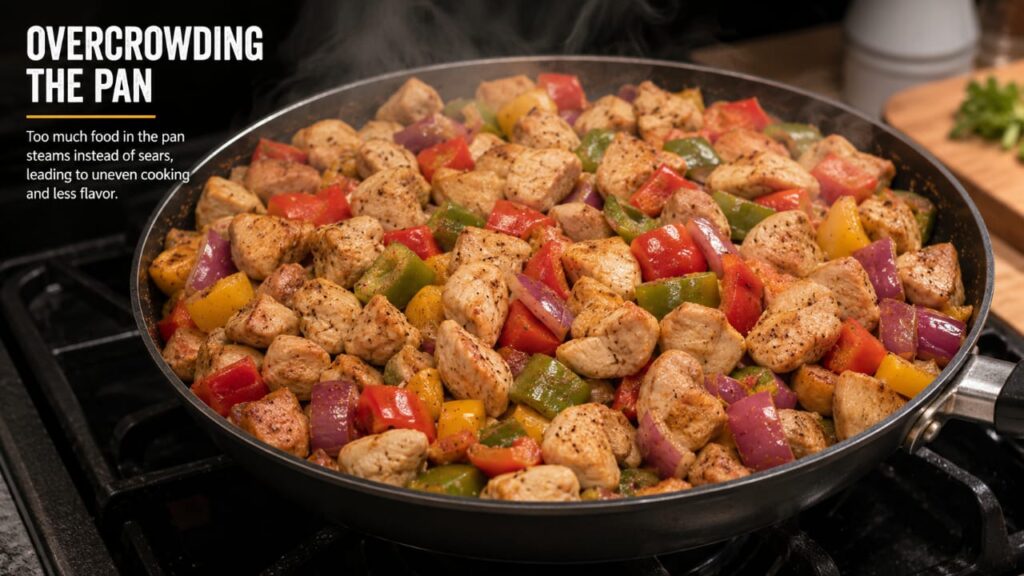
4. Overcrowding the Pan
Many home cooks try to cook too much food at once.
Why It’s a Problem
When the pan becomes crowded:
- Food releases moisture
- Ingredients steam instead of brown
- Flavor and texture suffer
How to Fix It
Cook in smaller batches and leave space between ingredients for proper browning.
5. Not Tasting While Cooking
Cooking is a process, not a final step.
Why It’s a Problem
If you wait until serving time to taste the dish, it may be too salty, bland, spicy, or acidic.
How to Fix It
Taste your food throughout the cooking process and make small adjustments as needed.
6. Using Too Much or Too Little Salt
Salt plays a crucial role in bringing out flavor.
Why It’s a Problem
Too much salt overwhelms a dish, while too little makes food taste flat.
How to Fix It
Season gradually and taste as you cook. Remember that you can always add more salt, but removing excess salt is difficult.
7. Cooking Everything on High Heat
Many beginners believe higher heat means faster and better cooking.
Why It’s a Problem
Excessive heat can:
- Burn food
- Dry out ingredients
- Create uneven cooking
How to Fix It
Learn when to use:
- Low heat for simmering
- Medium heat for everyday cooking
- High heat for searing and stir-frying
Heat control is one of the most important cooking skills.

8. Ignoring Fresh Ingredients
Fresh ingredients can significantly improve the flavor of a dish.
Why It’s a Problem
Old vegetables, stale spices, and expired ingredients often produce disappointing results.
How to Fix It
Choose fresh produce whenever possible and regularly check the quality of pantry ingredients.
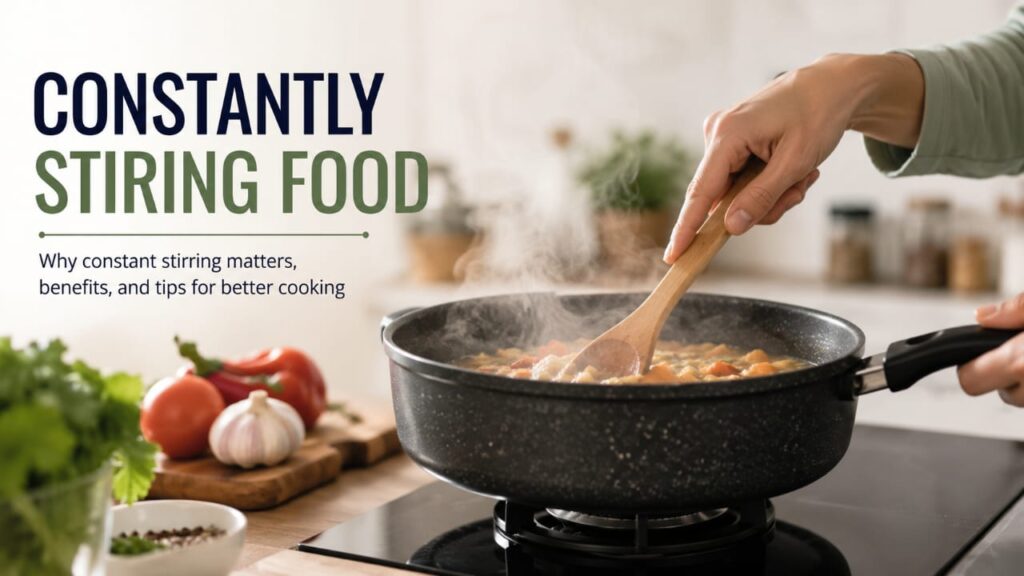
9. Constantly Stirring Food
Many people believe food should be stirred continuously.
Why It’s a Problem
Constant stirring prevents:
- Proper browning
- Caramelization
- Flavor development
How to Fix It
Allow ingredients to cook undisturbed for short periods when appropriate. This creates better texture and deeper flavor.
10. Being Afraid to Experiment
Many home cooks follow recipes exactly and never try new ideas.
Why It’s a Problem
You miss opportunities to learn and develop your own cooking style.
How to Fix It
Once you’re comfortable with basic recipes:
- Try different herbs and spices
- Adjust seasoning levels
- Experiment with ingredients
Cooking is a skill that improves through practice and creativity.
Final Thoughts
Every cook makes mistakes, especially when learning. The key is understanding what went wrong and how to improve next time.
By avoiding these 10 common cooking mistakes, you’ll create better-tasting meals, gain confidence in the kitchen, and enjoy cooking more than ever before.
Remember, great cooking isn’t about perfection—it’s about continuous learning and enjoying the process.