
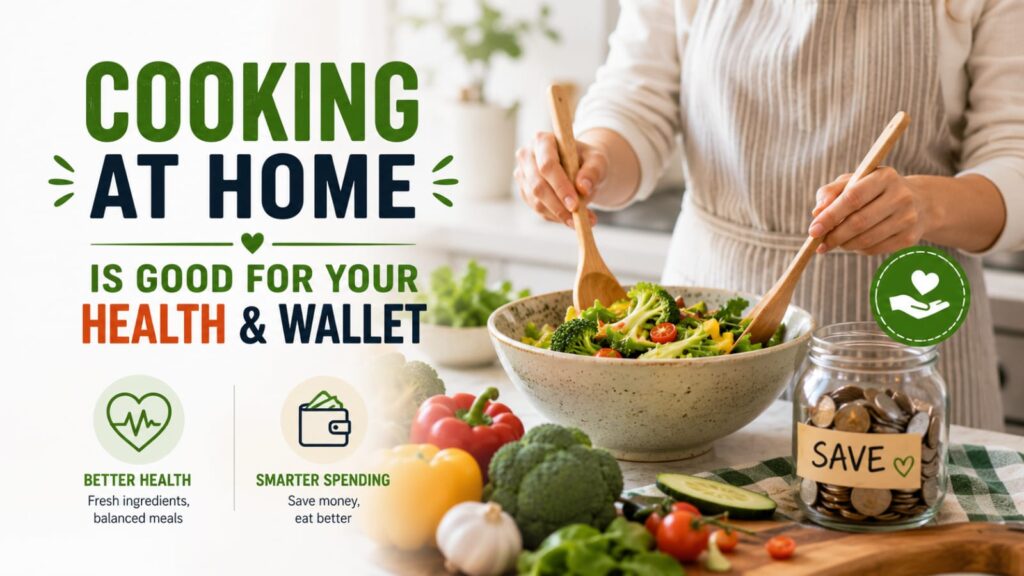
In today’s fast-paced world, ordering food has become easier than ever. With just a few taps on a smartphone, delicious meals can arrive at your doorstep within minutes. While this convenience is tempting, many people are beginning to realize that regularly relying on takeout and restaurant meals comes with hidden costs—not just financially, but also for their health.
Cooking at home may require a little extra time and effort, but the rewards are significant. From improving your nutrition and helping you maintain a healthy lifestyle to saving hundreds or even thousands of rupees each month, home cooking offers benefits that extend far beyond the kitchen.
Whether you’re a student, a busy professional, a parent, or someone simply looking to improve your eating habits, learning to cook at home can be one of the best investments you make in yourself.
Let’s explore why home cooking is good for both your health and your wallet.
The Growing Trend of Eating Out
Modern lifestyles have changed the way many people eat.
Busy schedules, food delivery apps, and an endless variety of restaurant options have made eating out more common than ever. While there is nothing wrong with enjoying restaurant meals occasionally, making it a daily habit can create challenges that many people don’t notice immediately.
Some common consequences include:
- Higher monthly food expenses
- Increased calorie consumption
- Excess intake of salt, sugar, and unhealthy fats
- Reduced awareness of ingredients
- Less control over portion sizes
Cooking at home helps address many of these issues while providing additional benefits that restaurants simply cannot offer.
Health Benefits of Cooking at Home
1. You Control What Goes Into Your Food
One of the greatest advantages of home cooking is complete control over ingredients.
When preparing meals at home, you decide:
- How much oil to use
- The amount of salt added
- The type of ingredients selected
- Portion sizes
- Cooking methods
This level of control allows you to create meals that suit your personal health goals and dietary preferences.
For example, if you’re trying to reduce sodium intake, you can simply use less salt. If you’re focusing on healthier eating, you can choose fresh vegetables, lean proteins, and whole grains.
At restaurants, these decisions are made for you.
2. Home-Cooked Meals Are Often More Nutritious
Restaurant meals are typically designed to maximize flavor and customer satisfaction.
To achieve this, many establishments use:
- Extra butter
- Additional oil
- More sugar
- Larger amounts of salt
While these ingredients can make food taste great, they often increase calorie content significantly.
Home cooking allows you to focus on nutrition without sacrificing flavor.
You can include:
- Fresh fruits
- Seasonal vegetables
- Whole grains
- Legumes
- Healthy fats
As a result, home-cooked meals are often more balanced and nutrient-rich.
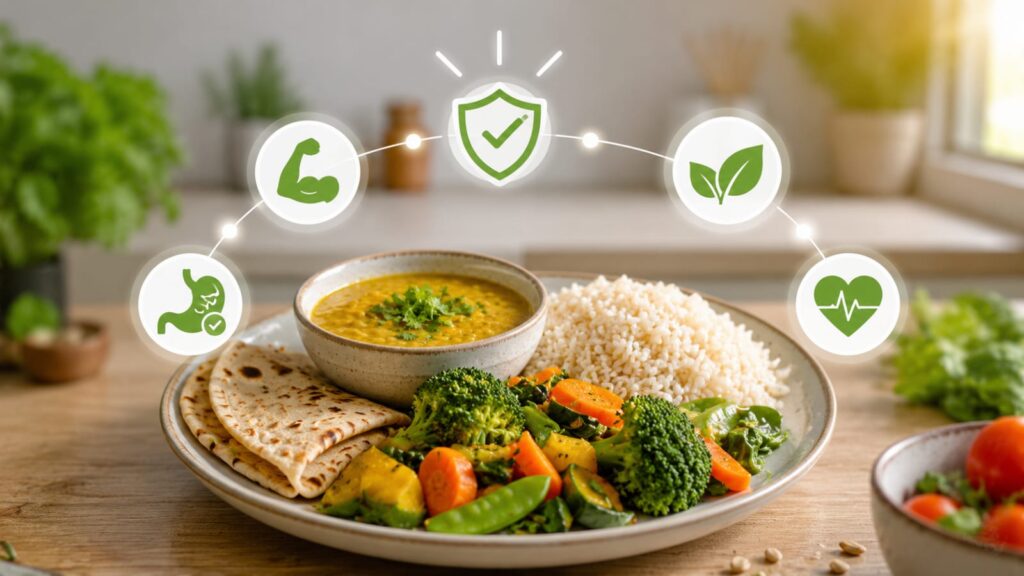
3. Better Portion Control
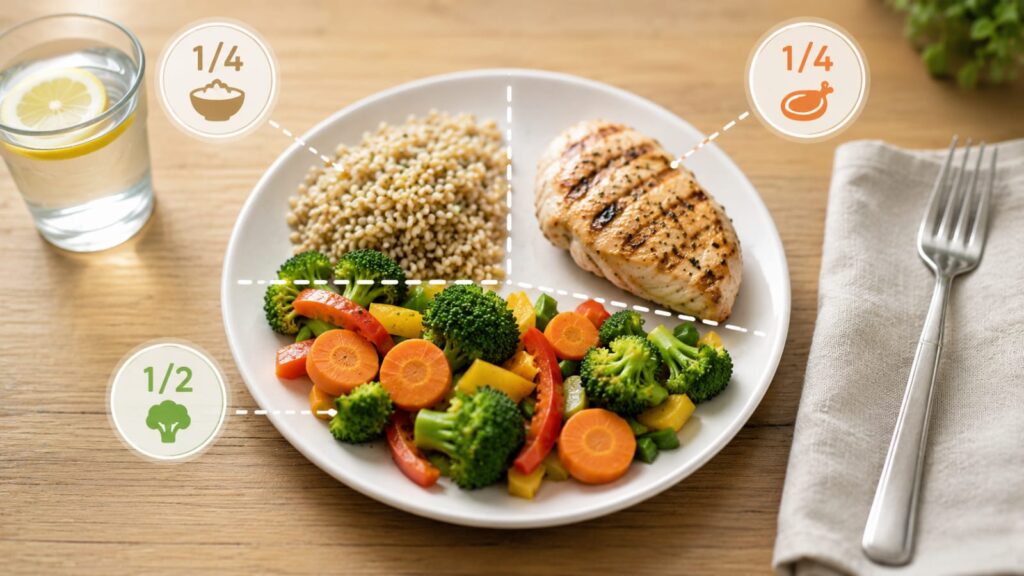
One of the biggest contributors to overeating is oversized portions.
Many restaurant meals contain far more food than most people actually need.
At home, portion control becomes much easier because you determine:
- Serving sizes
- Ingredient quantities
- Meal composition
This helps reduce unnecessary calorie consumption and supports healthy weight management.
4. Encourages Healthier Eating Habits
People who cook regularly often become more aware of what they eat.
They begin paying attention to:
- Ingredients
- Nutritional value
- Cooking techniques
- Meal planning
Over time, this awareness can lead to healthier food choices and improved eating habits.
Cooking at home also encourages consuming more vegetables and less processed food.
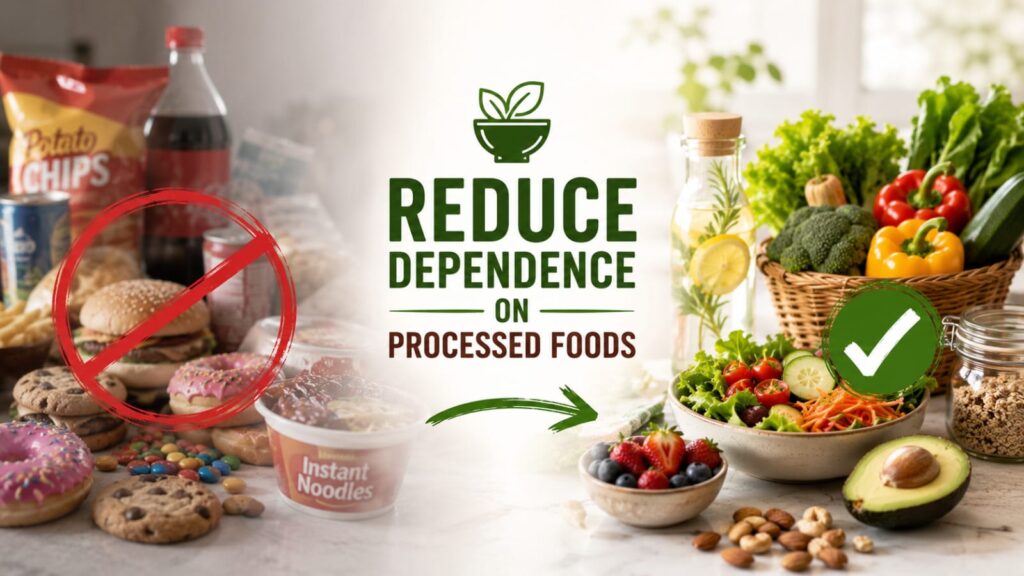
5. Reduces Dependence on Processed Foods
Many convenience foods contain:
- Preservatives
- Artificial flavorings
- Excess sodium
- Added sugars
Preparing meals from scratch allows you to minimize these ingredients and focus on fresh, wholesome foods.
Even simple homemade meals are often healthier than heavily processed alternatives.
6. Supports Long-Term Wellness
Good health isn’t built from a single healthy meal.
It’s built through consistent habits over time.
Regular home cooking can contribute to:
- Better nutrition
- Improved digestion
- Weight management
- Increased energy levels
- Greater awareness of food choices
These benefits can have a positive impact on overall well-being for years to come.
Financial Benefits of Cooking at Home
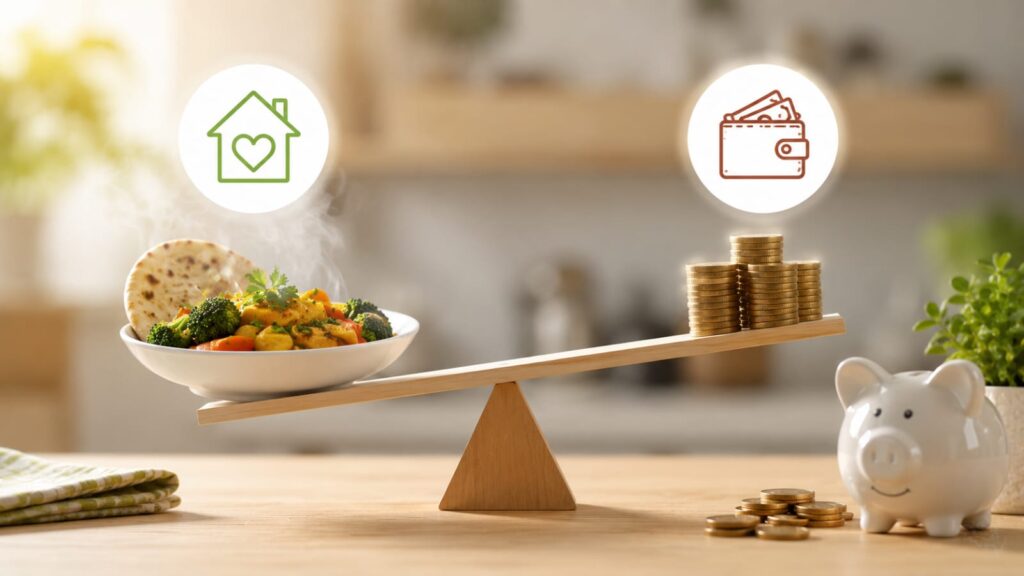
Many people are surprised to discover just how much money they can save by cooking more meals themselves.
1. Home Cooking Costs Less Per Meal
Consider a simple example.
A restaurant meal might cost ₹300–₹500 per person.
The same meal prepared at home may cost only a fraction of that amount.
When multiplied across weeks and months, the savings become significant.
For a family, cooking at home can reduce food expenses dramatically.
2. Ingredients Can Be Used Multiple Times
When you purchase ingredients for home cooking, they often serve multiple meals.
For example:
A bag of rice can prepare several dinners.
A packet of lentils can provide multiple servings.
A collection of vegetables can be used across various recipes.
Restaurant meals, on the other hand, are usually consumed once and gone.
3. Reduces Impulse Spending
Food delivery apps make it easy to spend money without thinking about it.
Small purchases may seem harmless, but frequent ordering can quickly add up.
Cooking at home encourages more intentional spending and better budgeting.
4. Less Money Spent on Delivery Fees
When ordering food, you’re often paying for more than just the meal.
Additional costs may include:
- Delivery charges
- Service fees
- Taxes
- Packaging costs
These expenses can significantly increase the total bill.
Home cooking eliminates many of these extra charges.
5. Reduces Food Waste
Meal planning and home cooking often help people become more mindful of food usage.
Leftover ingredients can be transformed into new dishes, reducing waste and maximizing value.
Examples include:
- Extra vegetables for soups
- Leftover rice for fried rice
- Cooked lentils for wraps or salads
Using ingredients efficiently helps stretch your grocery budget further.
Home Cooking Teaches Valuable Life Skills
Cooking is more than just preparing food.
It is a practical life skill that offers benefits beyond the kitchen.
Learning to cook helps develop:
- Time management
- Organization
- Creativity
- Budgeting skills
- Self-sufficiency
These skills can improve many areas of daily life.
Cooking Strengthens Family Connections
Some of the most meaningful family memories happen around food.
Cooking together can:
- Encourage teamwork
- Create traditions
- Teach children important skills
- Foster communication
Sharing homemade meals often creates a stronger sense of connection and belonging.

Common Myths About Home Cooking
Myth 1: Cooking at Home Takes Too Much Time
Not every homemade meal requires hours of preparation.
Many healthy meals can be prepared in 20–30 minutes.
Simple recipes often provide excellent results without consuming your entire evening.
Myth 2: Cooking Is Expensive
While some specialty ingredients can be costly, basic home cooking is usually much cheaper than eating out regularly.
Staples like rice, lentils, vegetables, eggs, and flour offer excellent value.
Myth 3: You Need Professional Skills
Everyone starts as a beginner.
Cooking skills improve through practice.
Simple recipes and basic techniques are enough to create delicious meals.

Easy Ways to Start Cooking More at Home
If you’re new to cooking, start small.
Plan Simple Meals
Choose recipes with:
- Few ingredients
- Easy instructions
- Familiar flavors
Cook Larger Batches
Prepare extra portions for future meals.
This saves both time and money.
Keep Pantry Essentials Available
Stock ingredients such as:
- Rice
- Flour
- Lentils
- Spices
- Cooking oil
Having essentials on hand makes cooking much easier.
Learn One New Recipe Each Week
Small improvements build confidence over time.
Finding a Healthy Balance
Cooking at home doesn’t mean you must completely stop eating at restaurants.
Restaurant meals can still be enjoyable for:
- Celebrations
- Special occasions
- Social gatherings
- Trying new cuisines
The goal isn’t perfection.
The goal is making home-cooked meals the foundation of your eating habits while enjoying restaurant food occasionally.

Final Thoughts
Cooking at home is one of the simplest ways to improve both your health and your financial well-being. By preparing your own meals, you gain complete control over ingredients, portion sizes, and cooking methods. This allows you to create nutritious meals that support your health goals while reducing unnecessary expenses.
At the same time, home cooking teaches valuable life skills, strengthens family connections, and helps you develop a deeper appreciation for food.
While restaurants certainly have their place, making home-cooked meals a regular part of your routine can provide benefits that extend far beyond the dinner table. Every meal you prepare at home is an investment in your health, your budget, and your future.
The next time you’re deciding between ordering food and cooking at home, remember that a little time spent in the kitchen can reward you in ways that last long after the meal is finished.