
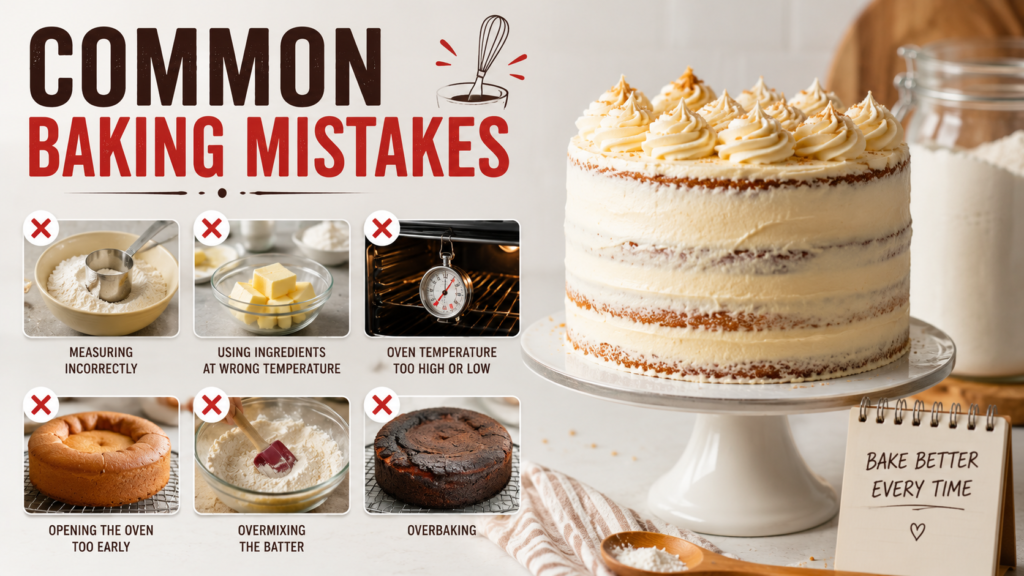
Baking can be one of the most rewarding experiences in the kitchen. Few things compare to the aroma of freshly baked cookies, a perfectly risen cake, or warm homemade bread straight from the oven. However, baking can also be frustrating when recipes don’t turn out as expected.
Many beginner bakers follow recipes carefully yet still end up with cakes that sink, cookies that spread too much, or bread that turns out dense and dry. The good news is that most baking failures are caused by a few common mistakes that can easily be avoided.
Unlike regular cooking, baking is often described as a science. Precise measurements, proper techniques, and attention to detail can make the difference between success and disappointment.
If you’re new to baking, understanding these common mistakes will help you achieve better results and build confidence in the kitchen.
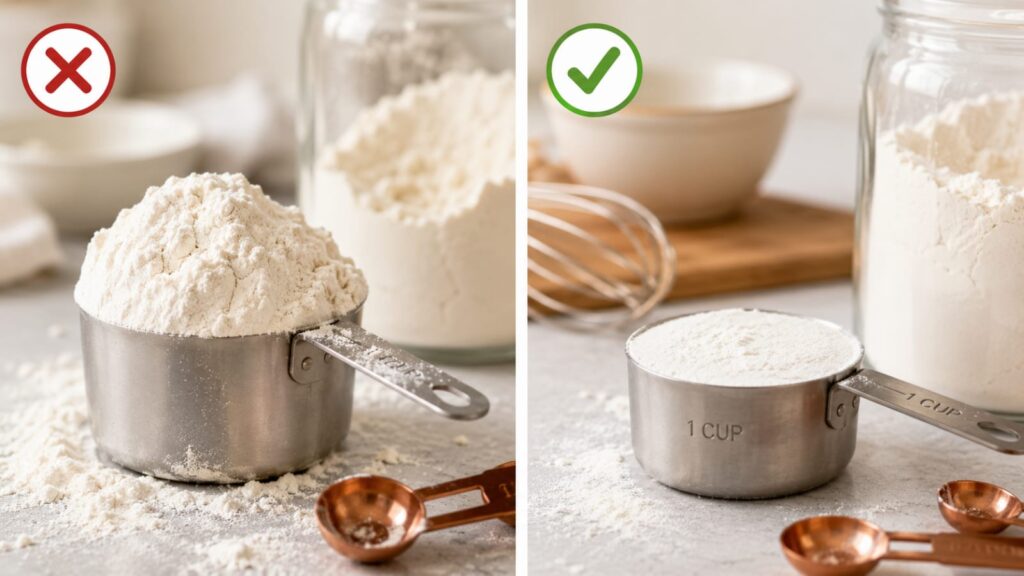
1. Not Measuring Ingredients Correctly
One of the biggest mistakes beginner bakers make is estimating ingredients instead of measuring them accurately.
Baking recipes are carefully balanced. Even small changes in the amount of flour, sugar, or liquid can affect the final result.
Common Measurement Errors
- Scooping flour directly from the bag.
- Using the wrong measuring cup.
- Guessing ingredient quantities.
- Packing ingredients that should be lightly filled.
How to Avoid It
Use proper measuring cups and spoons. For best results, spoon flour into the measuring cup and level it off with a knife instead of scooping directly.
Why It Matters
Accurate measurements create consistency and improve texture, structure, and flavor.
2. Ignoring Ingredient Temperature
Many recipes specifically call for room-temperature butter, eggs, or milk.
These instructions aren’t optional.
Why Room-Temperature Ingredients Matter
Room-temperature ingredients mix together more smoothly, creating a better batter and a more even bake.
Cold ingredients can:
- Cause curdled batter.
- Prevent proper mixing.
- Affect cake texture.
- Reduce volume.
How to Avoid It
Take ingredients out of the refrigerator 30–60 minutes before baking.
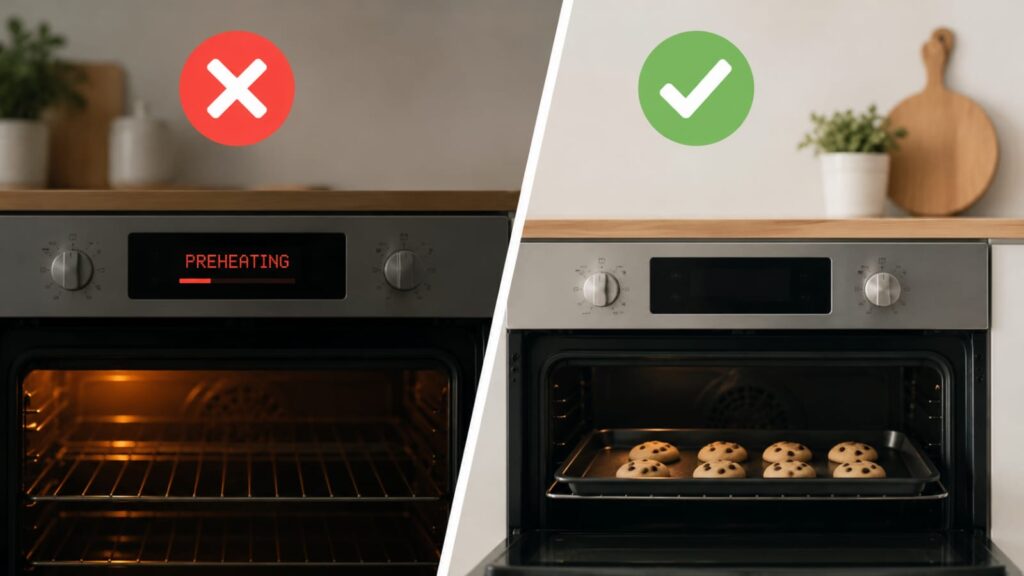
3. Skipping Oven Preheating
Many beginners place food into an oven that hasn’t fully reached the correct temperature.
Why This Causes Problems
The first few minutes of baking are critical.
For example:
- Cakes may not rise properly.
- Cookies may spread unevenly.
- Bread may lose volume.
How to Avoid It
Always preheat your oven completely before placing food inside.
Patience during preheating leads to better baking results.
4. Opening the Oven Door Too Often
It’s tempting to check on your baked goods every few minutes.
Unfortunately, every time the oven door opens, heat escapes.
Common Problems
- Cakes sinking in the center.
- Uneven baking.
- Longer cooking times.
How to Avoid It
Use the oven light and window whenever possible.
Wait until at least three-quarters of the baking time has passed before checking.
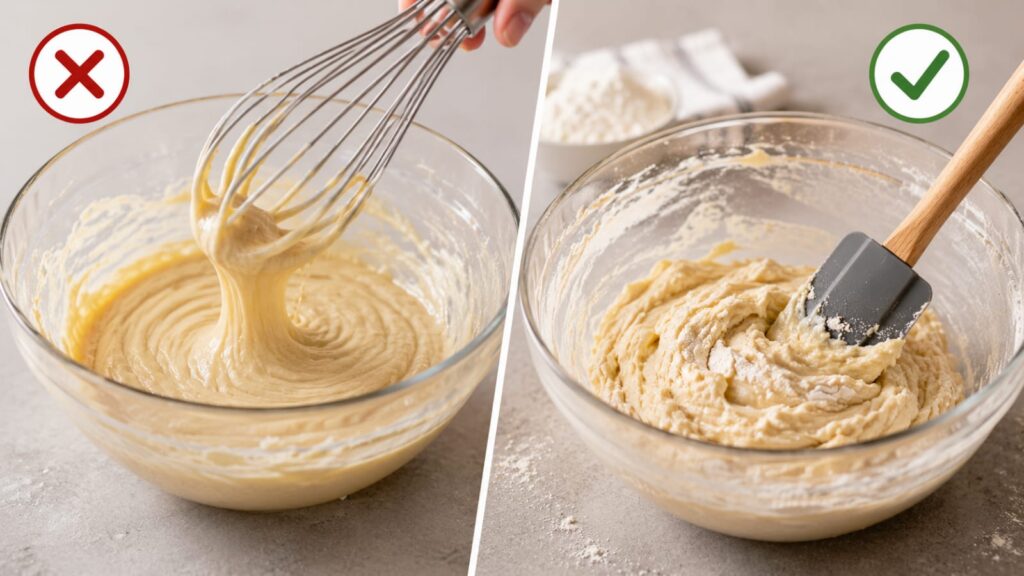
5. Overmixing the Batter
Many beginners believe more mixing creates a better batter.
In reality, overmixing is one of the most common causes of tough cakes and dense muffins.
Why It Happens
Excessive mixing develops gluten in the flour.
Too much gluten creates:
- Tough texture
- Dense crumb
- Reduced softness
How to Avoid It
Mix only until ingredients are combined.
A few small lumps are often perfectly fine.
6. Using Expired Baking Ingredients
Ingredients such as baking powder and baking soda lose effectiveness over time.
Even if a recipe is followed perfectly, expired leavening agents can prevent baked goods from rising.
Check These Regularly
- Baking powder
- Baking soda
- Yeast
- Flour
How to Avoid It
Replace old ingredients regularly and store them properly.
7. Choosing the Wrong Baking Pan
The type and size of your baking pan directly affect baking performance.
A recipe designed for an 8-inch cake pan may not work correctly in a larger or smaller pan.
Common Issues
- Overcooked edges
- Undercooked centers
- Uneven baking
How to Avoid It
Follow the recipe’s recommended pan size whenever possible.
8. Not Preparing the Baking Pan Properly
Nothing is more frustrating than a beautiful cake sticking to the pan.
How to Avoid It
Depending on the recipe:
- Grease the pan thoroughly.
- Line with parchment paper.
- Dust lightly with flour if needed.
Proper preparation saves both time and disappointment.
9. Removing Baked Goods Too Early
Many beginners remove cakes or breads from the oven before they are fully baked.
The outside may appear done while the center remains undercooked.
Signs of Doneness
For cakes:
- Golden top
- Springs back when touched
- Toothpick comes out clean
For bread:
- Golden crust
- Hollow sound when tapped
Why It Matters
Proper baking ensures the right texture and structure.
10. Cooling Too Quickly
Cooling is actually part of the baking process.
Many baked goods continue setting after leaving the oven.
- Cutting cakes immediately.
- Slicing bread while hot.
- Frosting warm cakes
How to Avoid It
Allow baked goods to cool completely before serving or decorating.
11. Substituting Ingredients Without Understanding Their Purpose
Baking ingredients perform specific functions.
Replacing ingredients randomly can dramatically affect results.
Example
Replacing butter, flour, sugar, or eggs can alter:
- Texture
- Flavor
- Moisture
- Structure
How to Avoid It
Follow recipes closely until you understand how ingredients work together.
12. Rushing the Process
Perhaps the biggest baking mistake is impatience.
Baking rewards careful attention and proper timing.
Rushing often leads to:
- Forgotten ingredients
- Incorrect measurements
- Poor texture
- Uneven baking
How to Avoid It
Read the recipe completely, prepare ingredients in advance, and enjoy the process.
Great baking takes time.
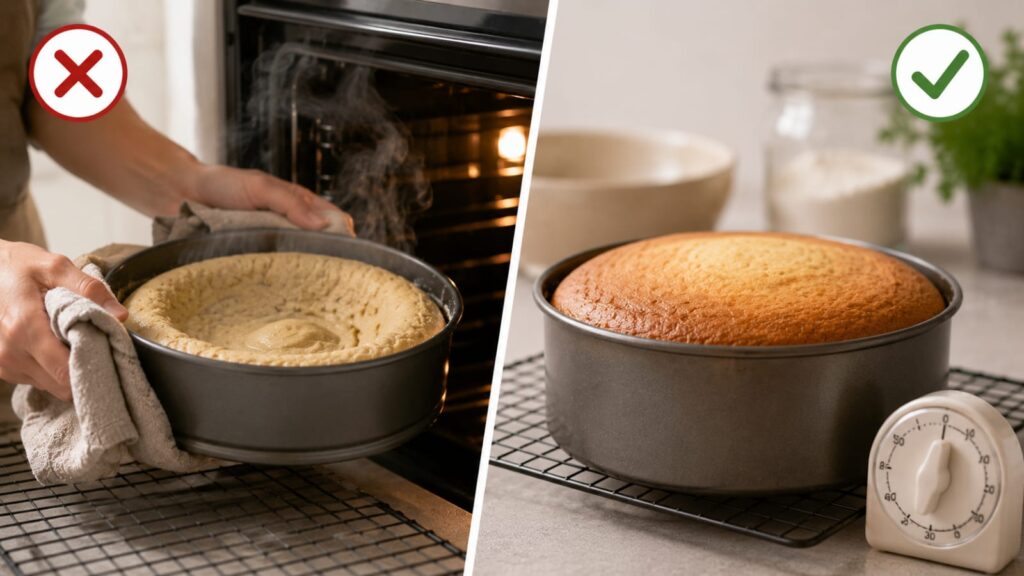
Essential Baking Success Tips for Beginners
Before you start your next baking project, remember these golden rules:
- Measure accurately.
- Preheat the oven.
- Use fresh ingredients.
- Follow instructions carefully.
- Avoid opening the oven unnecessarily.
- Allow proper cooling time.
- Be patient.
These simple habits can dramatically improve your results.
Final Thoughts
Every baker has experienced failures at some point. A sunken cake, burnt cookies, or dense bread are all part of the learning process. The difference between beginners and experienced bakers is not perfection—it’s understanding what went wrong and learning from it.
By avoiding these twelve common baking mistakes, you’ll improve your skills, gain confidence, and enjoy more successful baking experiences. Remember that baking is a journey, and every recipe teaches something valuable.
So don’t be discouraged by occasional failures. Keep practicing, stay curious, and enjoy the delicious rewards that come from mastering the art of baking.